

Project finance · Sustainable infrastructure · Africa

From concept to bankable asset, and from asset to lasting value.

Prokatiam is a project finance advisory firm dedicated exclusively to sustainable infrastructure in Africa. Our mission is twofold: to transform sustainable infrastructure concepts into bankable assets, and to improve assets’ financial and non-financial performance — unlocking additional value for investors, communities, and public and private stakeholders.

Concept to bankable asset

  1. Concept
  2. Feasibility
  3. Structuring
  4. Due diligence

We lead the project to financial close and first drawdown.

Financial close

Asset to lasting value

  1. Construction & COD
  2. Operations
  3. Refinancing
  4. Expansion or exit

We keep the asset on plan — and make it worth more.

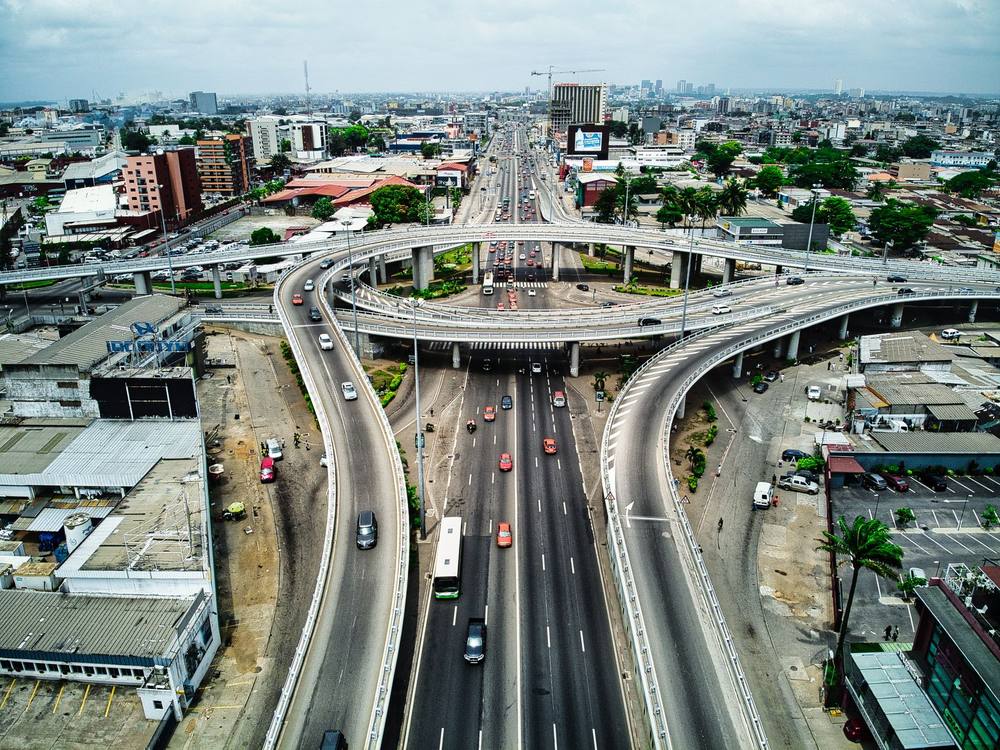
Aerial view of an expressway interchange in Abidjan, Côte d’Ivoire

Why we exist

Capital is not the constraint. Bankable projects are.

$150B+

annual infrastructure funding requirement across the continent1

< 10%

of initiated projects successfully reach financial close2

1.5B

people — a powerful demographic tailwind3

45%

average urbanisation rate, and accelerating4

The structural bottleneck The paradox is driven not by a scarcity of global capital, but by an acute deficit in sophisticated financial engineering and bankable project structuring. Africa represents the world’s largest untapped real-assets opportunity.

The Prokatiam bridge We transform complex greenfield and brownfield concepts into high-performing, de-risked assets tailored for international institutional capital — with a hands-on, end-to-end approach that actively manages every workstream and aligns stakeholders from early-stage development through the project life cycle.

Sources · 1 African Development Bank, African Economic Outlook (2018) · 2 McKinsey, Solving Africa’s infrastructure paradox (2020) · 3 IMF, World Economic Outlook (April 2026) · 4 Africa Center for Strategic Studies (2025)

Our dual mission

One firm, two mandates

Most advisers leave at financial close; most asset managers arrive long after it. We work on both sides of that line, because a structure is only proven once the asset performs — and an asset can only perform as well as it was structured.

Bankability

Transform sustainable infrastructure concepts into bankable assets

As lead arranger, we drive projects from early-stage development to financial close and first drawdown — scoping bankability, structuring the capital stack, running lender due diligence, negotiating the documentation and clearing conditions precedent.

  • Project execution & due diligence
  • Transaction structuring: capital stack, credit enhancement, blended finance
  • Debt syndication & investor relations

Outcome: a de-risked, institutional-grade asset that reaches financial close.

Explore the bankability mandate

Performance

Improve assets’ financial and non-financial performance

Once an asset is financed, value is won or lost in operations. We work alongside project companies and their shareholders to stabilise cash flows, optimise costs and capital structure, and enforce contracts — while strengthening the service, environmental and social outcomes promised to stakeholders.

  • Financial performance: OPEX, refinancing, cash-flow stability, yield, exit
  • Non-financial performance: service availability, E&S standards, decarbonisation, governance, local skills
  • Contract governance across project and financing agreements

Outcome: additional value unlocked for investors, communities, and public and private stakeholders.

Explore the performance mandate

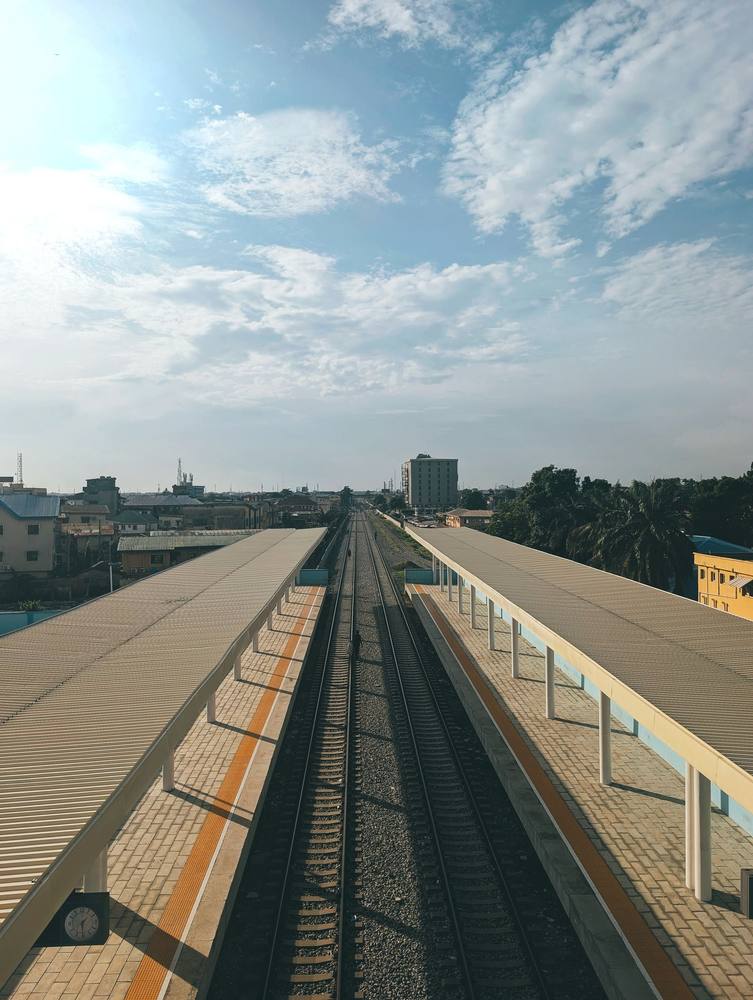
Aerial view of Oworonshoki railway station in Lagos, Nigeria

Who we serve

Four clients. One structural failure each. One answer.

The structural failure

$0.40

of private capital mobilised per $1 of public money in blended infrastructure. The binding constraint is pipeline, not capital.

Source: GI Hub / Convergence, Infrastructure Monitor (2023)

Our answer

Pipeline, not just capital

Assets pre-structured to credit, E&S and impact standards — so capital funds deployment, not preparation.

See the mechanisms we deploy

Where we focus

Three high-growth sectors, one continent

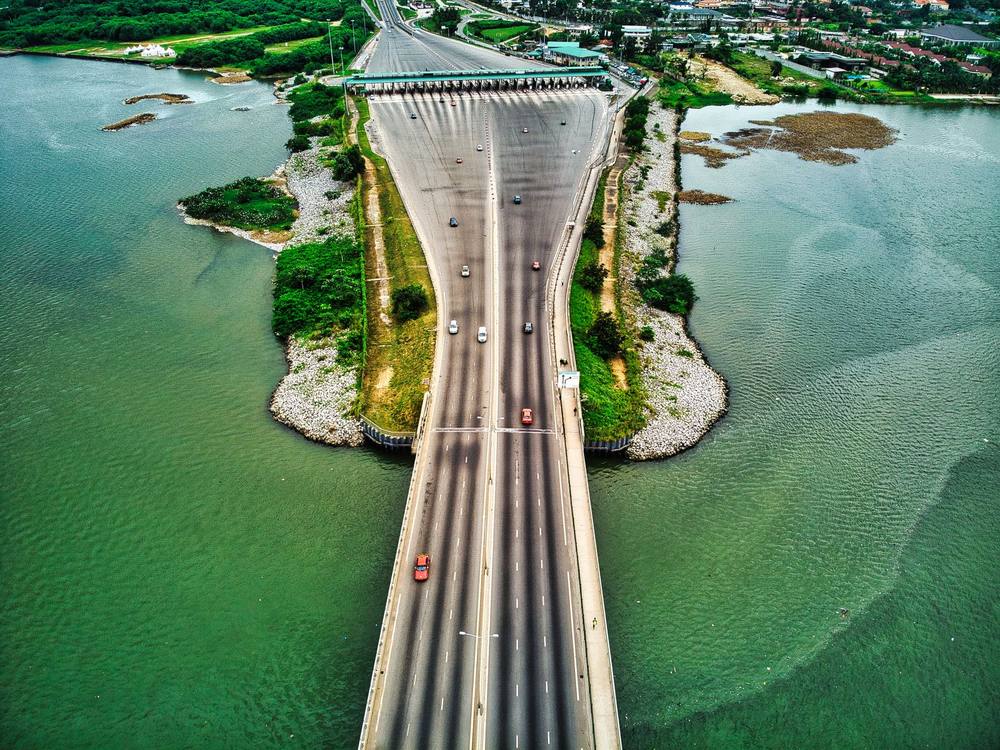
Aerial view of a bridge over the lagoon in Abidjan, Côte d’Ivoire

Sustainable mobility

Structuring decarbonised transport networks and strategic logistics corridors to capture regional trade flows.

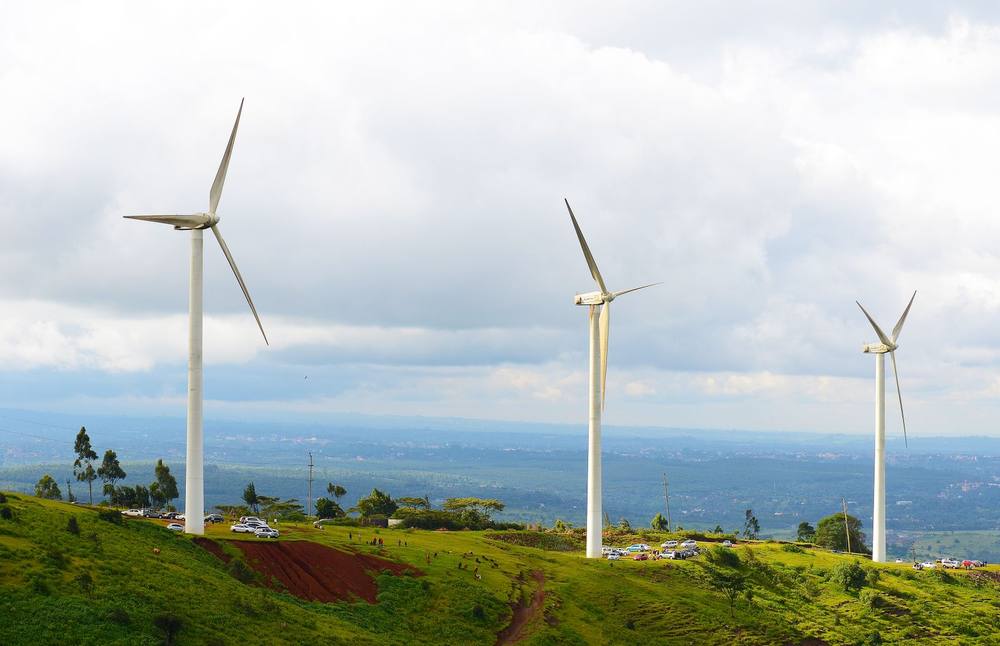
Wind turbines on a green hill in Kajiado County, Kenya

Low-carbon solutions

Developing utility-scale and off-grid renewable energy platforms, and modernising equipment to reduce carbon intensity.

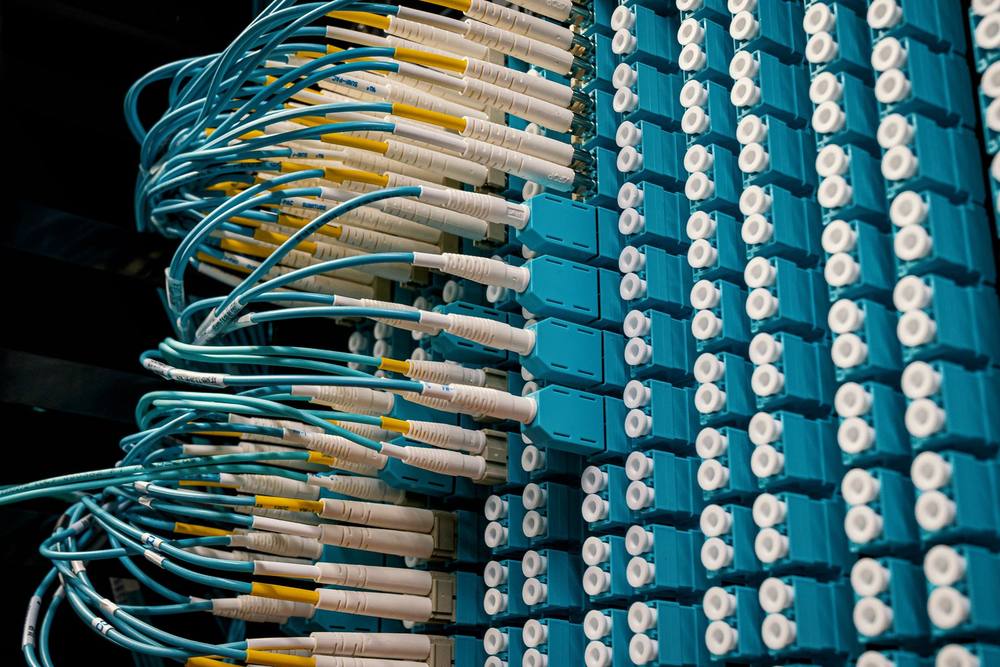
Fibre-optic patch cables in a data centre

Digital infrastructure

Financing and deploying broadband and telecom networks to serve the region’s rapidly expanding digital economy.

We work exclusively in Africa. Our team has already delivered transactions in more than eight countries across the continent, from Senegal to Madagascar.

Our three sectors
An engineer studying site plans in the field, Angola

Our impact

Making the Global Goals a reality

Seven Sustainable Development Goals where our sectors and our two mandates deliver measurable, reportable impact.

  • Sustainable Development Goal 5: Gender equalityObjectif de développement durable 5 : Égalité entre les sexes

    Gender-lens structuring

    2X Challenge criteria built into project design, procurement and workforce plans — and safer, more affordable mobility and energy access for women.

  • Sustainable Development Goal 7: Affordable and clean energyObjectif de développement durable 7 : Énergie propre et d'un coût abordable

    The low-carbon energy pillar

    Utility-scale and off-grid renewables, hybrid solar-plus-storage and captive power, delivered at a contractually fixed cost per kWh below diesel or grid baselines.

  • Sustainable Development Goal 8: Decent work and economic growthObjectif de développement durable 8 : Travail décent et croissance économique

    Local jobs, local capital

    Projects that reach financial close create construction and operations jobs; local content and local-currency structures keep value in African economies.

  • Sustainable Development Goal 9: Industry, innovation and infrastructureObjectif de développement durable 9 : Industrie, innovation et infrastructure

    Mobility and connectivity

    Transport corridors, ports, logistics platforms and digital networks converted from concepts into resilient operating assets — the heart of every mandate.

  • Sustainable Development Goal 10: Reduced inequalitiesObjectif de développement durable 10 : Inégalités réduites

    Closing the finance gap

    International institutional capital channelled to the African markets where the need is greatest, with local sponsors held to global institutional standards.

  • Sustainable Development Goal 13: Climate actionObjectif de développement durable 13 : Mesures relatives à la lutte contre les changements climatiques

    Decarbonised assets

    Every mandate structured to climate standards: decarbonised transport, renewable generation and audited Scope 1 and 2 reductions for industrial partners.

  • Sustainable Development Goal 17: Partnerships for the goalsObjectif de développement durable 17 : Partenariats pour la réalisation des objectifs

    Blended finance at scale

    Blended structures with DFIs, export credit agencies and commercial lenders that multiply the private capital mobilised for every dollar of public money.

  • Our commitment

    Prokatiam aims to make the SDGs a reality through its services and its portfolio: every project is pre-structured to the IFC Performance Standards and to DFI impact frameworks, so that development outcomes are financed, measured and reported — not just declared.

The Sustainable Development Goals icons are used under the United Nations guidelines. The content of this website has not been approved by the United Nations and does not reflect the views of the United Nations or its officials or Member States.

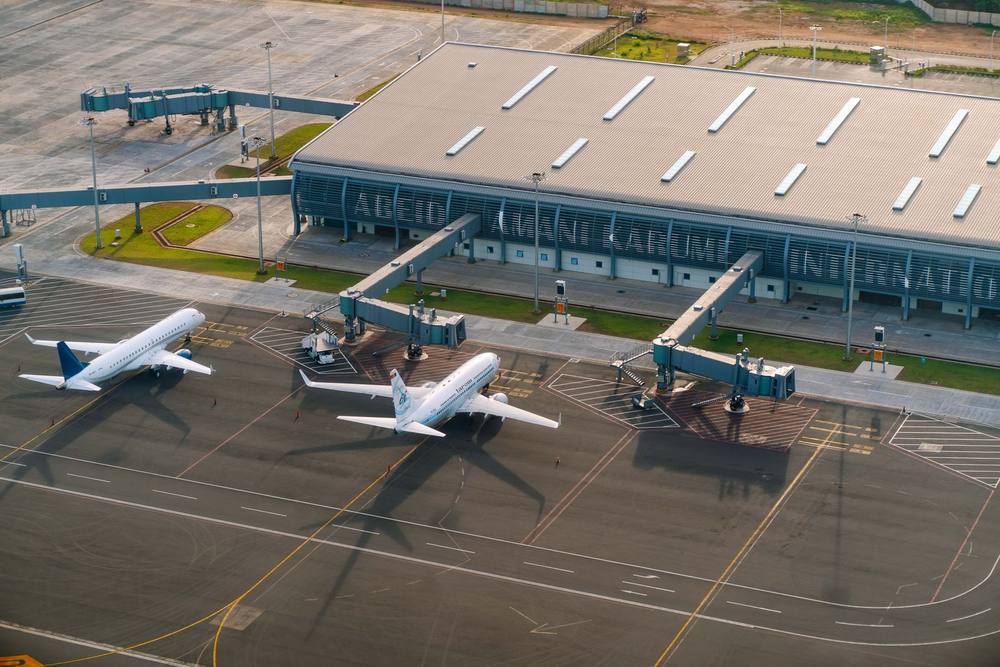
Aerial view of Abeid Amani Karume International Airport, Zanzibar, Tanzania

The team’s track record

Nineteen flagship transactions, from Senegal to Madagascar

€3.6B+

aggregate project value across the team’s track record

19

flagship transactions in transport, energy, water, mining and M&A

8+

African markets

276 MW

of generation capacity across five energy platforms

Transactions led or executed by members of the Prokatiam team, including in previous positions. Counterparty names are withheld for confidentiality.

View the track record

Partner with Prokatiam

Bring us the concept — or the asset.

Tell us where your project or portfolio stands. We will tell you, candidly, what it takes to make it bankable — or to make it perform.

About Prokatiam

Where technical excellence meets financial engineering

A project finance advisory firm, focused exclusively on the development, structuring, financing and management of sustainable infrastructure across Africa.

Who we are

We catalyse sustainable infrastructure by de-risking high-potential concepts into bankable assets, and by leveraging local capital — both financial and human — to unlock maximum asset value.

Prokatiam B.V. is a Netherlands-based advisory company specialised in project finance, focusing exclusively on the development, structuring, financing and management of sustainable infrastructure projects across Africa.

Founded in March 2026 by Emmanuel Mundela, a veteran project finance professional with an established track record in African infrastructure, the firm operates at the intersection of technical excellence and financial engineering.

Backed by an elite execution team and a global network of industry experts, Prokatiam delivers institutional-standard solutions that maximise value for sponsors while safeguarding investor capital.

Lead arranger

The central catalyst driving high-impact projects from early-stage development to financial close.

Africa-focused

An exclusive focus on sustainable infrastructure across African markets.

De-risking as a discipline

Proactive stakeholder management treated as continuous risk mitigation, not administration.

Elite execution network

Assertive leadership and seamless partner orchestration across the project life cycle.

How we work

An execution model built on three pillars

By providing assertive leadership and seamless partner orchestration throughout the project life cycle, we eliminate operational friction and secure an efficient trajectory — to financial close, and beyond it.

Anticipation

Proactive stakeholder management as a continuous risk-mitigation discipline.

Systematisation

A programmatic, repeatable execution architecture across every mandate.

Collective execution

Seamless partner orchestration that eliminates operational friction.

Alignment of interests

Aligned by design

Having spent our careers in project sponsorship and asset management, we understand the risk asymmetries between advisers and the parties they advise — so we operate under a strict risk-sharing philosophy with our clients.

“We do not merely advise; we de‑risk and execute.”

Skin in the game

Where needed, we invest alongside sponsors through minority equity stakes in project SPVs.

Success-based remuneration

A substantial portion of our fees is conditional on the successful completion of the mandate — achieving financial close, reaching distribution targets.

Total convergence of interests

Rapid execution, compressed timelines and systematic asset de-risking — plus additional project development and asset management capacity for your organisation.

Local execution

A deep, nuanced command of local sovereign, community and regulatory dynamics across African markets.

Global institutional standards

Strict adherence to the underwriting, ESG and credit standards required by DFIs, export credit agencies and international lenders.

Expert network

20,000+

A lean core, amplified by an on-demand constellation of experts

Prokatiam’s lean core is amplified by strategic partnerships with global talent-pooling platforms that give us instant, on-demand access to world-class infrastructure experts.

  • 20,000+ vetted specialists — any expertise gap on a mandate is filled at short notice, anywhere in the world.
  • Senior-only bench — practitioners averaging 20+ years across infrastructure design, construction, operations, financing and asset management.
  • Elastic by design — experts deploy on long or short assignments, so every capability a transaction requires is always within reach.
  • Capital-efficient — institutional-grade capability on a variable-cost basis, with zero idle overhead.

Deep expertise, zero bench cost — deployed exactly when and where each transaction needs it.

Who leads

Leadership team

Emmanuel Mundela

Emmanuel Mundela

Founder, Managing Director

Emmanuel Mundela is a sustainable infrastructure project finance specialist with more than 12 years’ experience directing the development, financial structuring and asset management of large-scale infrastructure platforms across Africa. Holding dual qualifications in engineering and project finance, he combines technical precision with sophisticated financial structuring, and has a proven record of converting complex infrastructure concepts into bankable, high-yielding real assets.

As former Regional Director for West and Central Africa at Meridiam, he managed a diversified, multi-sector portfolio valued at nearly USD 2 billion — leading cross-functional due diligence teams and multi-party negotiations from origination through to financial close.

  • Transport: ports, airports, roads, BRT, rail
  • Renewables: hydro, solar, biomass, battery storage
  • Water utilities
Alain Saraka

Alain Saraka

Partner, Infrastructure Finance Expert

Alain Saraka is an investment banking and structured finance professional with more than 22 years of transaction experience. Since 2012 he has focused on the financial structuring and development of large-scale infrastructure — special economic zones, dry and maritime ports, highways and aviation. His leadership in delivering strategic industrial and logistics platforms in Côte d’Ivoire earned him the national distinction of Chevalier de l’Ordre National.

He advises African sovereigns on sovereign wealth deployment, international capital raises and capital-stack structuring for flagship infrastructure. Formerly Director of Strategy and M&A at Arise IIP Group and Vice President at the Africa Finance Corporation (AFC), he has led the structuring of convertible instruments, senior debt and acquisition financing for tier-one gold, bauxite and power assets.

  • Special economic zones, ports, highways, aviation
  • Sovereign advisory and international capital raises
  • Mining and energy project finance

Partner with Prokatiam

Bring us the concept — or the asset.

Tell us where your project or portfolio stands. We will tell you, candidly, what it takes to make it bankable — or to make it perform.

Services

Two mandates. One accountable team.

Prokatiam orchestrates project stakeholders across the whole life cycle, from feasibility to operations: structuring blended capital facilities, then managing asset performance to deliver on financial and operational covenants.

Make it bankable Make it perform

Two mandates, applied across three sectors

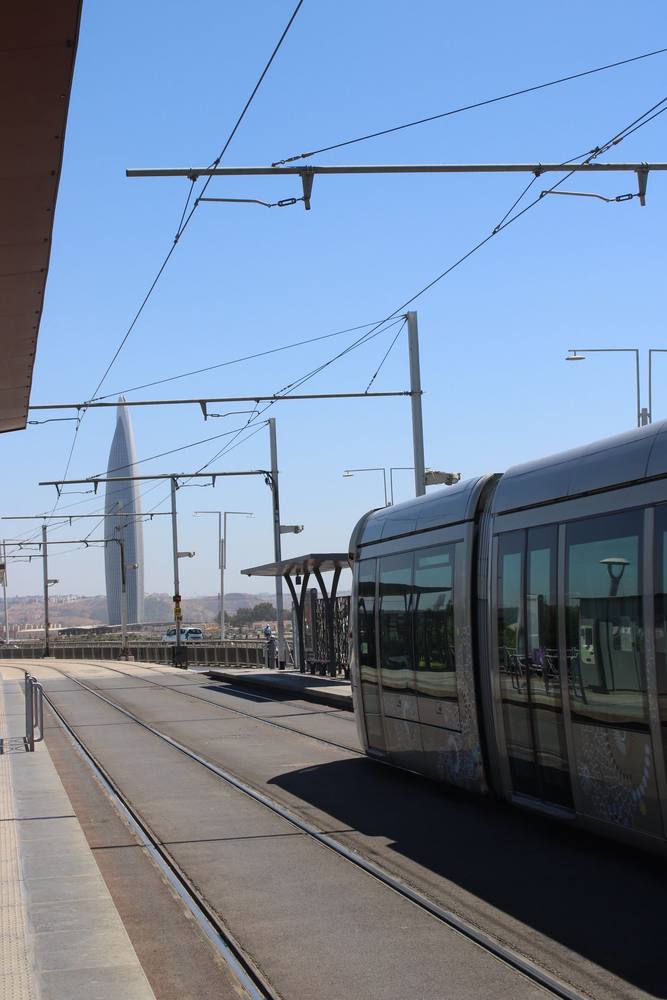
A modern tram at the railway station in Rabat, Morocco
Sustainable mobility
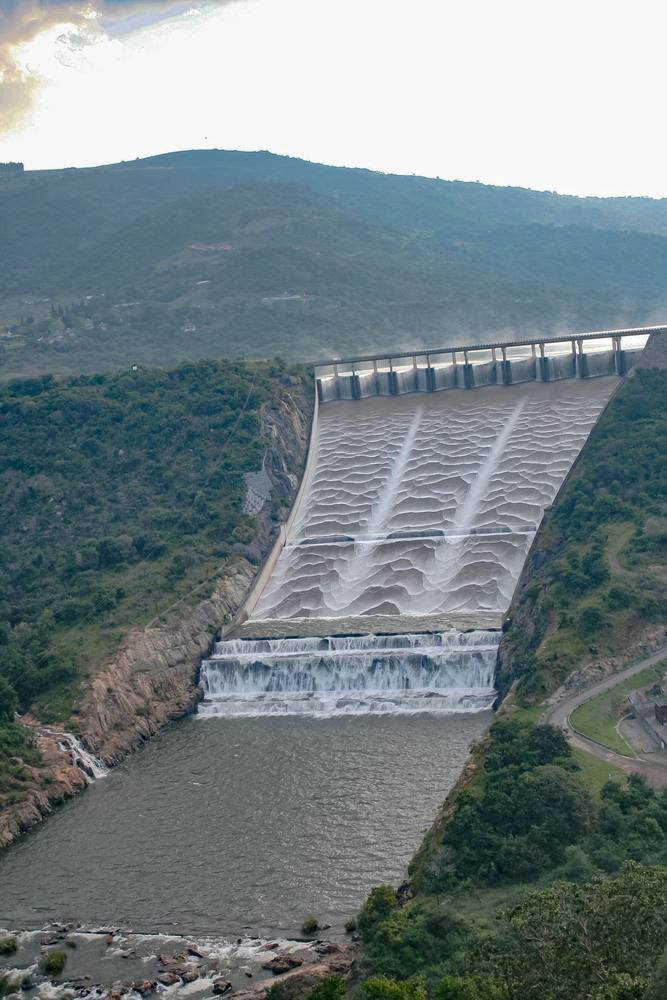
Aerial view of water flowing over the Maguga dam, Eswatini
Low-carbon solutions
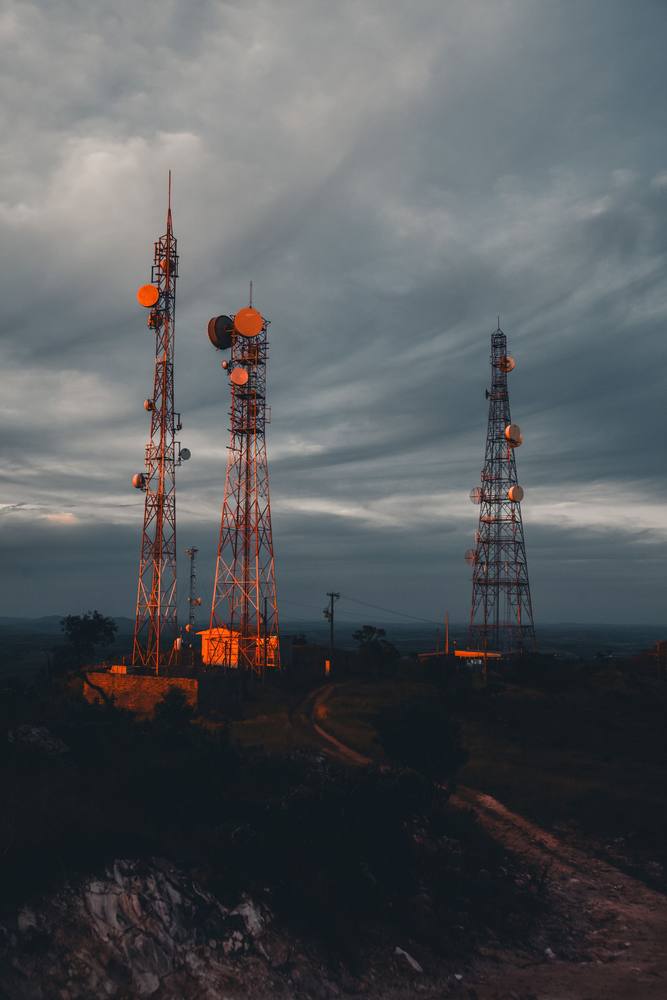
Telecom towers at dusk in a rural area
Digital infrastructure

Bankability mandate

Make it bankable

We transform sustainable infrastructure concepts into bankable assets.

We organise and coordinate every party involved in developing the project, from feasibility to first disbursement, and lead the raising of the debt, equity and grant funding it needs.

Who it serves Developers · DFIs and multilaterals · Industrial partners · Project companies with expansion plans

An engineer studying site plans in the field, Angola

Project execution & due diligence

  • End-to-end deal delivery, from feasibility to financial close and capital drawdown
  • Bankability scoping, adviser selection and rigorous quality governance
  • Lender due diligence managed alongside asset owners
  • Negotiation of term sheets, project agreements, sponsors’ agreements, facility and direct agreements
  • Critical-path mitigation and conditions precedent (CP) resolution

Transaction structuring

  • Capital-stack optimisation — senior debt, mezzanine, guarantees, blended finance, equity
  • Multi-source mobilisation: DFIs, export credit agencies, commercial banks, institutional asset managers
  • De-risking and credit enhancement: political-risk insurance, partial risk guarantees, first-loss capital
  • Concessional blending and institutional-grade financial modelling (DSCR, LLCR)

Debt syndication & investor relations

  • Targeted syndication strategy and early soft-circling of key lenders
  • Competitive processes that optimise the cost of capital with prudent risk allocation
  • Active senior-level networks among international lenders and infrastructure equity funds
  • Upstream development capital, teasers, information memoranda and virtual data rooms

How we execute

Three phases, from mandate to first drawdown

A programmatic execution architecture drives each transaction efficiently from mandate to close.

  1. Strategic project structuring

    Execution blueprint · Critical-path mapping · Risk/reward allocation

  2. Integrated feasibility & lender due diligence

    Cross-functional workstream integration · Adviser scope enforcement · Coordination of sponsors’ and lenders’ consultants

  3. Strict transaction governance

    CP fulfilment tracking · Milestone synchronisation · Smooth first drawdown

Performance mandate

Make it perform

We improve assets’ financial and non-financial performance to unlock additional value for investors, communities, and public and private stakeholders.

Financing an asset is a beginning, not an outcome. Payment delays, currency swings, cost drift and unenforced contracts quietly erode value — and it is equity, service quality and public trust that absorb the loss. We work with project companies, state-owned or private, and with their shareholders and lenders, to put the asset back on plan, then ahead of it.

Who it serves Project companies, state-owned and private · Shareholders and infrastructure funds · DFIs and lenders · Industrial offtakers

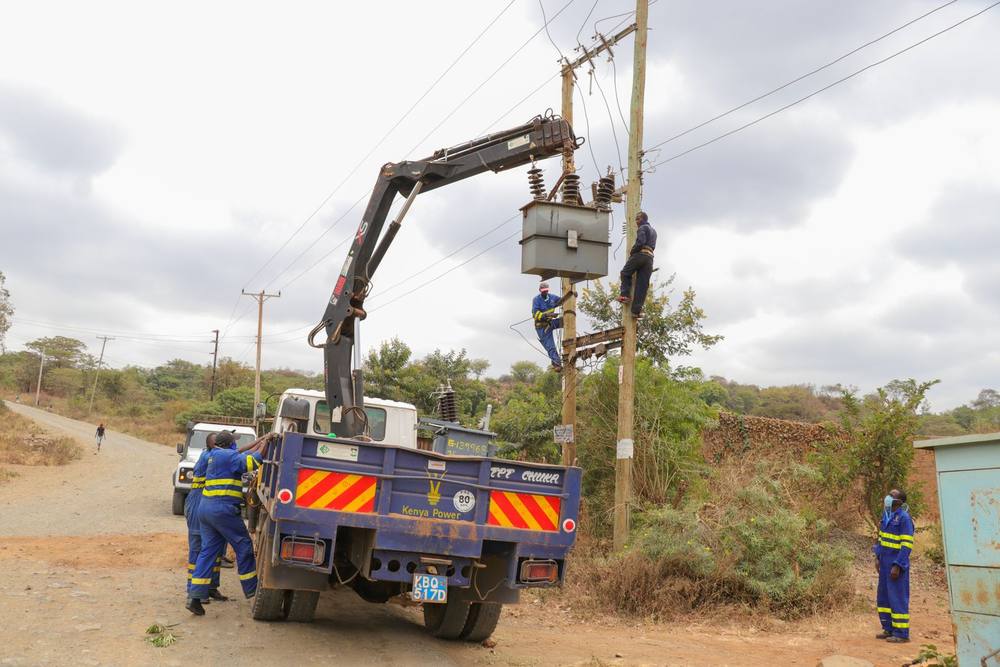
A utility crew servicing power lines from a truck crane

Financial performance

OPEX optimisation
Cutting operating costs to protect project margins.
Capital structure & debt refinancing
Lowering the cost of capital or extending maturities to release trapped value.
Cash-flow stabilisation
Mitigating payment-delay, FX and inflation risks to protect asset value.
Yield maximisation
Releasing trapped cash reserves to optimise distributions.
Contract governance
Proactively enforcing project and financing agreements to prevent defaults and preserve asset value.
Strategic exit & asset monetisation
Vendor due diligence, secondary-market equity sales, partial or full divestments.
Asset expansion
Debottlenecking operations to capture new revenue streams.

Non-financial performance

Service availability & quality
Availability-guaranteed operations and maintenance, so users and offtakers receive the service the concession promised.
Environmental & social performance
Operations held to the IFC Performance Standards and to lenders’ E&S requirements, long after financial close.
Decarbonisation
Modernised equipment and audited Scope 1 and 2 reductions that stand up in client and investor reporting.
Governance & reporting
Board-level reporting and covenant compliance that keep shareholders, lenders and grantors aligned.
Local capital, financial and human
Local-currency instruments and investors where they fit the asset; knowledge transfer that embeds lasting project finance capability in local teams.

Who the additional value is for

Investors

Distributions on plan, covenants held, refinancing gains captured.

Communities

Reliable services, and environmental and social commitments that are kept.

Public stakeholders

Concessions that deliver the service they were granted for, and public exposure that stays contained.

Private stakeholders

Offtakers, lenders and contractors dealing with a counterparty that performs.

Partner with Prokatiam

Bring us the concept — or the asset.

Tell us where your project or portfolio stands. We will tell you, candidly, what it takes to make it bankable — or to make it perform.

Who we serve

Four clients. One structural failure each. One answer.

Development finance institutions, developers, project companies — state-owned and privately owned — and industrials each face a different structural failure. Here is our answer to each, and the mechanisms we deploy under each of our two mandates.

DFIs & multilaterals

Development finance institutions

The structural failure

$0.40

of private capital mobilised per $1 of public money in blended infrastructure. The binding constraint is pipeline, not capital.

Source: GI Hub / Convergence, Infrastructure Monitor (2023)

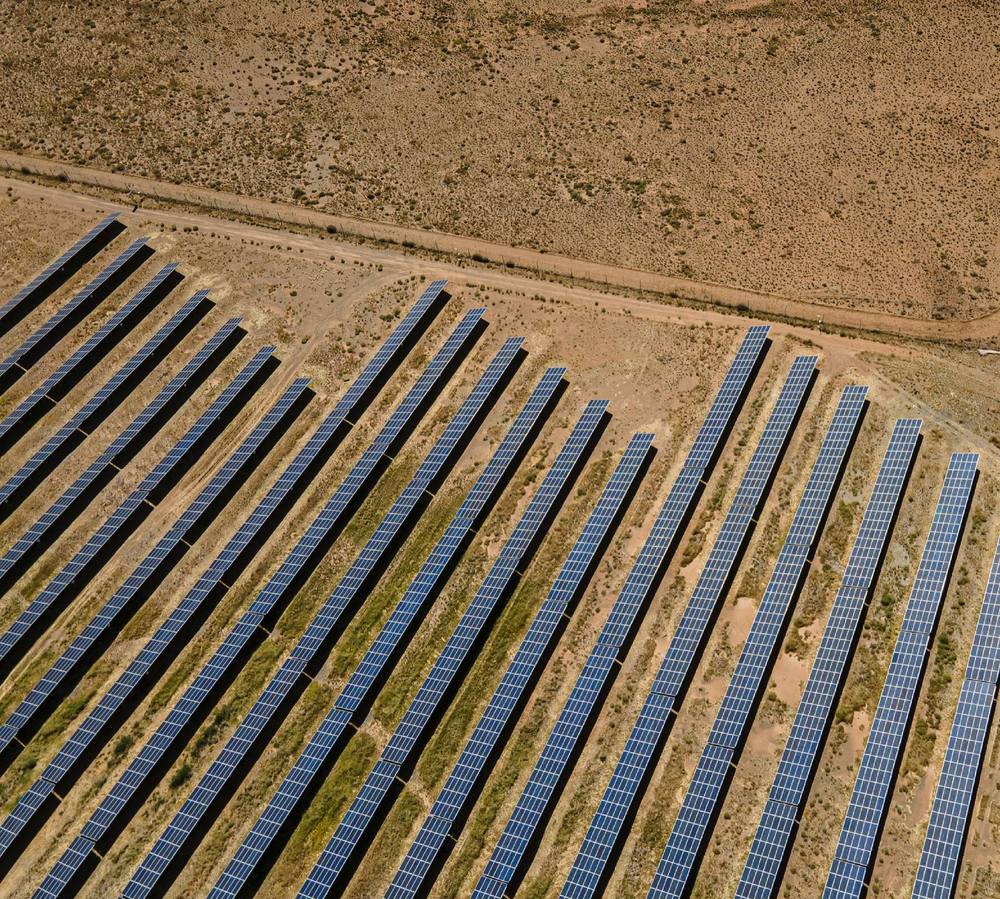
Aerial view of a solar farm in De Aar, South Africa

Our answer

Pipeline, not just capital

Assets pre-structured to credit, E&S and impact standards — so capital funds deployment, not preparation.

Make it bankable

  • Pre-mandate structuring to the IFC Performance Standards and the Equator Principles
  • Blended layering: first-loss, guarantees, concessional tranches, technical-assistance facilities
  • Local-currency and hedging structures; MIGA / ATIDI political-risk cover

Make it perform

  • Assets already in portfolio kept on covenant: cash-flow stabilisation and contract governance
  • E&S and impact performance sustained in operations, not only at appraisal

Developers

International and local

The structural failure

< 10%

of African infrastructure projects reach financial close. Four in five die at feasibility — long before a lender ever says no.

Source: McKinsey, Solving Africa’s infrastructure paradox (2020)

Elevated expressway and skyline of Nairobi, Kenya

Our answer

Bankability, underwritten

We own the upstream work that kills projects, and stay accountable through to financial close.

Make it bankable

  • Bankable financial model, capital stack and risk-allocation matrix
  • Concession, PPA and offtake negotiation; permitting and ESIA to IFC standards
  • Lender due diligence and conditions precedent driven to financial close

Make it perform

  • After COD: refinancing, yield optimisation and exit preparation — so development equity can be recycled into the next project

Project companies

State-owned and privately owned

The structural failure

> 1 year

of revenue locked in receivables at 22 African utilities. Senior debt is still serviced — it is equity that absorbs the delay.

Source: World Bank, Utility Performance and Behavior in Africa Today (2021)

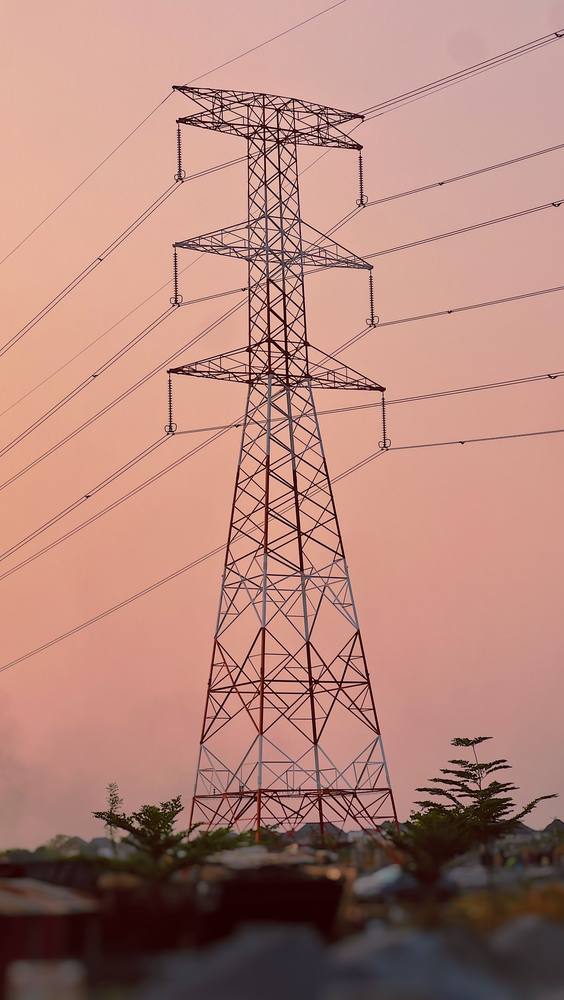
A high-voltage transmission tower at dusk in Abuja, Nigeria

Our answer

Yield stabilisation, not just debt service

We run the SPV as a yield instrument, so distributions land on plan — collections, FX, refinancing. Whether the shareholder is a state, a public utility or a private sponsor, the levers are the same.

Make it perform

  • Receivables discipline, offtaker payment security and liquidity cover
  • FX and inflation defence: indexed tariffs, hedges, local-currency refinancing
  • Cash-trap release, refinancing execution and distribution policy

Make it bankable

  • Expansions and debottlenecking investments structured, financed and brought to financial close

Industrial partners

Mining, manufacturing, logistics

The structural failure

8.3%

of annual sales lost to outages by affected sub-Saharan firms. Back-up generation costs roughly twice the grid tariff in fuel alone.

Source: World Bank Enterprise Surveys; IFC, The Dirty Footprint of the Broken Grid (2019)

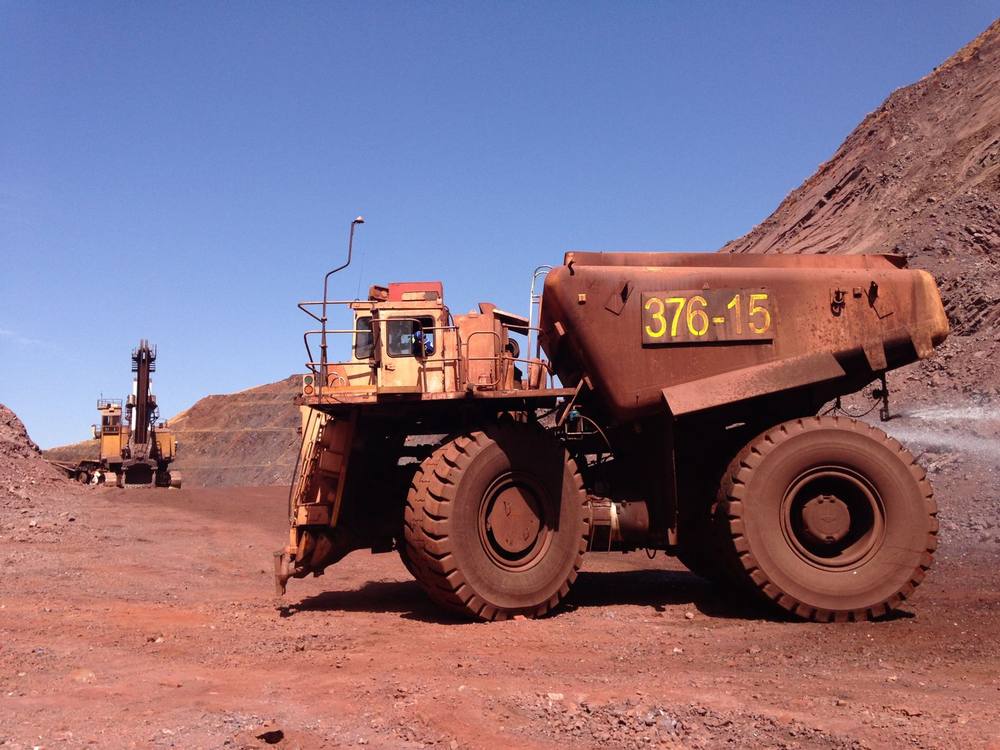
A mining truck at a quarry in Thabazimbi, South Africa

Our answer

Utility certainty, off balance sheet

We develop, finance and operate the power, water and logistics assets. Zero client CAPEX.

Make it bankable

  • Ring-fenced SPV; take-or-pay PPA matched to asset or mine life
  • Hybrid solar-plus-storage, water treatment, dedicated logistics capacity

Make it perform

  • Availability-guaranteed O&M, with audited Scope 1 and 2 reductions for client reporting

Sources · McKinsey (2020) · World Bank Enterprise Surveys · IFC (2019) · GI Hub / Convergence, Infrastructure Monitor (2023) · World Bank, Utility Performance and Behavior in Africa Today (2021)

Partner with Prokatiam

Bring us the concept — or the asset.

Tell us where your project or portfolio stands. We will tell you, candidly, what it takes to make it bankable — or to make it perform.

Sectors

Three sectors. One continent.

We concentrate on three high-growth, macro-driven sectors in Africa, where disciplined structuring creates the most value.

Sustainable mobility

Decarbonised transport networks and strategic logistics corridors: urban transit, rail, ports, airports and roads, structured to capture regional trade flows while lowering carbon intensity.

Electric bus rapid transit
Ports and rail logistics

Low-carbon solutions

Utility-scale and off-grid renewable energy platforms — hydro, solar, biomass, storage — and the modernisation of existing equipment to cut carbon intensity, including captive power for industrial sites.

Solar and wind power
Hydropower

Digital infrastructure

Broadband and telecom networks — digital backbones and shared connectivity assets — financed and deployed to serve Africa’s rapidly expanding digital economy.

Telecom towers
Fibre backbones

Partner with Prokatiam

Bring us the concept — or the asset.

Tell us where your project or portfolio stands. We will tell you, candidly, what it takes to make it bankable — or to make it perform.

The team’s track record

Nineteen transactions. Eight markets. One team.

Concessions, PPPs, power purchase agreements, acquisitions, refinancings and exits across transport, energy, water, mining and corporate finance.

€3.6B+

aggregate project value

19

flagship transactions

8+

African markets, from Senegal to Madagascar

€630M+

deployed and committed across 276 MW of generation

Transactions led or executed by members of the Prokatiam team, including in previous positions. Counterparty names are withheld for confidentiality.

Asset Country Structure Status
International airportsTransport & logistics Madagascar 28-year greenfield DBFMO concession Operational
Mineral terminal portTransport & logistics Gabon 30-year DBFMO concession with heavy-rail capacity upgrades Operational
Heavy freight railwayTransport & logistics Gabon Strategic equity and debt investment in the country’s primary rail asset Operational
Sovereign highway PPP (125 km)Transport & logistics Gabon 30-year PPP — rehabilitation and modernisation Phase 1 operational
Electric BRTTransport & logistics Senegal 15-year clean-mobility concession with an electric fleet Operational
Container portTransport & logistics Mauritania 30-year development, construction and operation concession Operational
Port & logistics portfolioTransport & logistics Gabon Minority equity stake, exchangeable bond issuance and full exit to an international buyer Exited
Maritime mineral terminalTransport & logistics Côte d’Ivoire Majority acquisition; joint development agreement with long-term off-take Operational
Industrial & logistics portTransport & logistics Senegal Joint development agreement — exclusive rights, industrial free zone and logistics park In development
Utility-scale hydropower · 34 MWEnergy & power Gabon 35-year DBFMO run-of-river concession Under construction
Biomass power · 46 MWEnergy & power Côte d’Ivoire 25-year sovereign PPA, base-load asset Operational
Grid-scale solar PV IPP · 42 MWEnergy & power Togo 25-year PPA framework, independent power producer In development
Solar PV + BESS · 14 MWEnergy & power Senegal Captive plant powering electric bus charging In development
Solar PV platform · 140 MWEnergy & power Senegal Regional utility-scale portfolio of 30–44 MW assets Operational
Municipal water treatmentWater & utilities Côte d’Ivoire Bulk water supply: treatment plant, dedicated solar PV captive array and transmission pipelines In development
Gold mining facilityMining & resources Liberia Convertible instruments plus a secured senior credit facility, mapped to mine life and off-take agreements Operational
Bauxite extractionMining & resources Guinea Limited-recourse project finance debt facility Operational
Institutional capital raise (2025)M&A & corporate finance Pan-African Institutional equity raise for a pan-African industrial-platform developer, closed through an international share subscription and a revised shareholders’ agreement Completed
Corporate shareholder restructuringM&A & corporate finance Pan-African Share buyback and reorganisation: clean exit of a historical shareholder and secondary acquisition of its stake by an infrastructure fund Completed

DBFMO: design, build, finance, maintain, operate · PPP: public-private partnership · PPA: power purchase agreement · IPP: independent power producer · BRT: bus rapid transit · BESS: battery energy storage system.

Partner with Prokatiam

Bring us the concept — or the asset.

Tell us where your project or portfolio stands. We will tell you, candidly, what it takes to make it bankable — or to make it perform.

Insights

What the numbers say about African infrastructure

Three short perspectives on why projects stall and where value leaks — each followed by what leading institutions have published on the same question.

Perspective

Capital is not the constraint. Pipeline is.

Africa needs more than $150 billion of infrastructure investment every year, and global capital is not scarce. Yet fewer than 10% of the projects that are initiated reach financial close, and four in five stop at feasibility — long before a lender ever says no.

The same pattern shows up in blended finance: each dollar of public and concessional money still mobilises well under a dollar of private capital. The binding constraint is not the supply of concessional capital. It is the supply of projects structured well enough to absorb it.

Our answer is to do the upstream work to lender standards from day one: a bankable model and risk-allocation matrix, permitting and ESIA to the IFC Performance Standards, and a blended capital stack designed before the mandate — so that public capital funds deployment, not preparation.

What others have found

  • McKinsey & Company · 2020

    Solving Africa’s infrastructure paradox

    Finds that fewer than one in ten African infrastructure projects reaches financial close and that four in five fail at the feasibility and business-plan stage — while investors hold ample capital looking for bankable projects.

  • World Bank · 2017

    Preparing bankable infrastructure projects

    Argues that the infrastructure gap reflects a shortage of bankable, investment-ready projects rather than of capital, and that bankability is decided during project development, through risk allocation.

  • Center for Global Development · 2023

    Bottlenecks in Africa’s Infrastructure Financing and How to Overcome Them

    Puts Africa’s needs at USD 130–170 billion a year with a financing gap of USD 68–108 billion, and names the shortage of bankable projects and under-funded project preparation among the leading bottlenecks.

  • ODI · 2019

    Blended finance in the poorest countries: the need for a better approach

    Estimates that each dollar invested by multilateral development banks and DFIs mobilises about USD 0.75 of private finance in developing countries, and only USD 0.37 in low-income countries.

  • International Energy Agency with the African Development Bank · 2023

    Financing Clean Energy in Africa

    Finds that the cost of capital for energy projects in African countries is at least two to three times higher than in advanced economies, and that about USD 28 billion a year of concessional capital is needed to mobilise USD 90 billion of private investment by 2030.

How we work with DFIs and developers

Perspective

Senior debt gets paid. Equity absorbs the delay.

Emerging-market private lending has a better credit record than its reputation suggests: the GEMs consortium of development banks reports an average default rate of 3.54% and a recovery rate of 72.9%. Lenders, by and large, get paid.

The strain lands elsewhere. At 22 African utilities, more than a year of revenue is locked in receivables. Debt service is protected by reserve accounts and cash traps; it is distributions that slip. Equity carries the payment delays, the currency swings and the inflation that the tariff did not index.

That is why we manage a project company with its shareholders in mind: receivables discipline and offtaker payment security, indexed tariffs and local-currency refinancing, cash-trap release and a clear distribution policy — so that value reaches the people who funded the asset, and the communities and public partners who depend on it.

What others have found

Explore the performance mandate

Perspective

The cheapest kilowatt-hour is the one you can count on.

Sub-Saharan firms affected by power outages lose 8.3% of their annual sales to them, and back-up generation costs roughly twice the grid tariff in fuel alone. For a mine, a plant or a logistics hub, unreliable utilities are not an inconvenience; they are a structural cost.

The solution rarely belongs on the industrial’s balance sheet. A ring-fenced SPV can develop, finance and operate the asset — hybrid solar-plus-storage, water treatment, dedicated logistics capacity — under a take-or-pay contract matched to the life of the plant or mine, with zero client CAPEX.

What matters afterwards is performance: a supply the site can rely on, a predictable cost of energy, and audited Scope 1 and 2 reductions the client can report.

What others have found

How we work with industrial partners

Further reading

On our sectors, and on the local capital that can fund them

  • Africa Finance Corporation · 2025

    State of Africa’s Infrastructure Report 2025

    Maps more than USD 1.1 trillion of institutional capital held by African pension funds, insurers, sovereign wealth funds and public development banks, and argues that mobilising this domestic capital is central to financing the continent’s infrastructure.

  • White & Case · 2022

    Africa’s digital infrastructure transformation

    Surveys investment in mobile networks, fibre and data centres; cites a World Bank estimate that universal broadband access requires about USD 100 billion, some 80% of it for core infrastructure, and notes that fibre broadband penetration in sub-Saharan Africa remains below 2%.

  • McKinsey & Company · 2022

    Power to move: Accelerating the electric transport transition in sub-Saharan Africa

    Examines how electric mobility can take hold in sub-Saharan Africa, and counts reliable power with charging networks and innovative financing among the conditions for scale.

Links lead to the publishers’ own websites. The summaries are ours; the publications and their findings belong to their authors, who are not affiliated with Prokatiam.

Partner with Prokatiam

Bring us the concept — or the asset.

Tell us where your project or portfolio stands. We will tell you, candidly, what it takes to make it bankable — or to make it perform.

Contact

Bring us the concept — or the asset.

Tell us where your project or portfolio stands. We will tell you, candidly, what it takes to make it bankable — or to make it perform.

Office

Heelsum, The Netherlands

Languages

English · French

Write to us

A few lines are enough to start.

Your message goes straight to contact@prokatiam.com, through a form-delivery service. We use your details only to reply to you.